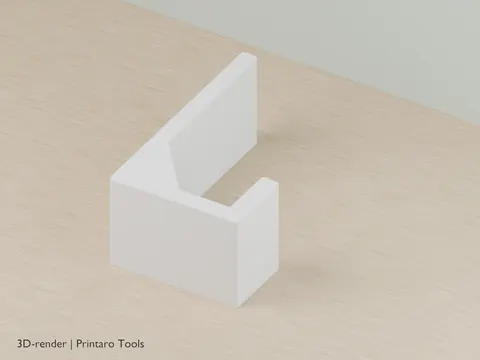
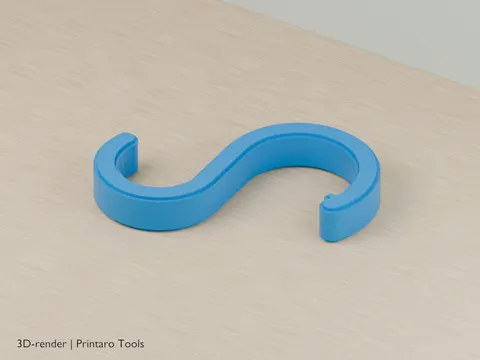
Window Stop
Keep a window open by a set gap
Air out a room without the window blowing wide open, or keep a door from slamming.
Examples
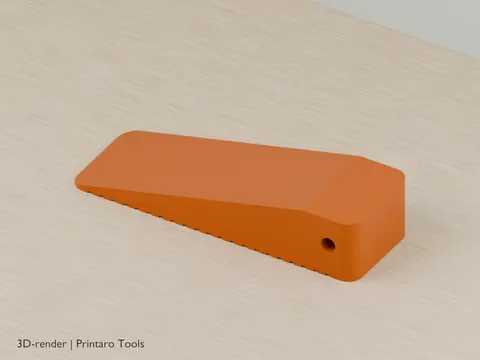
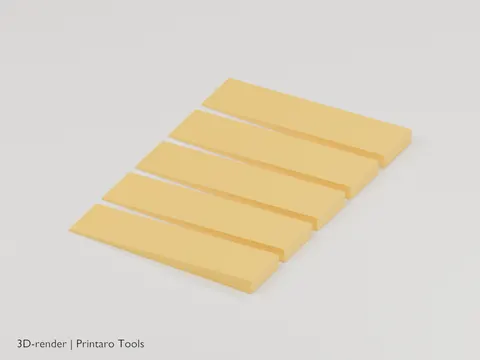
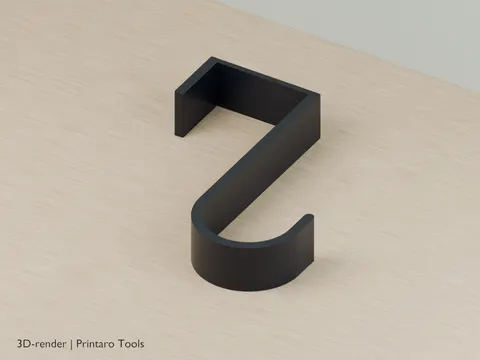
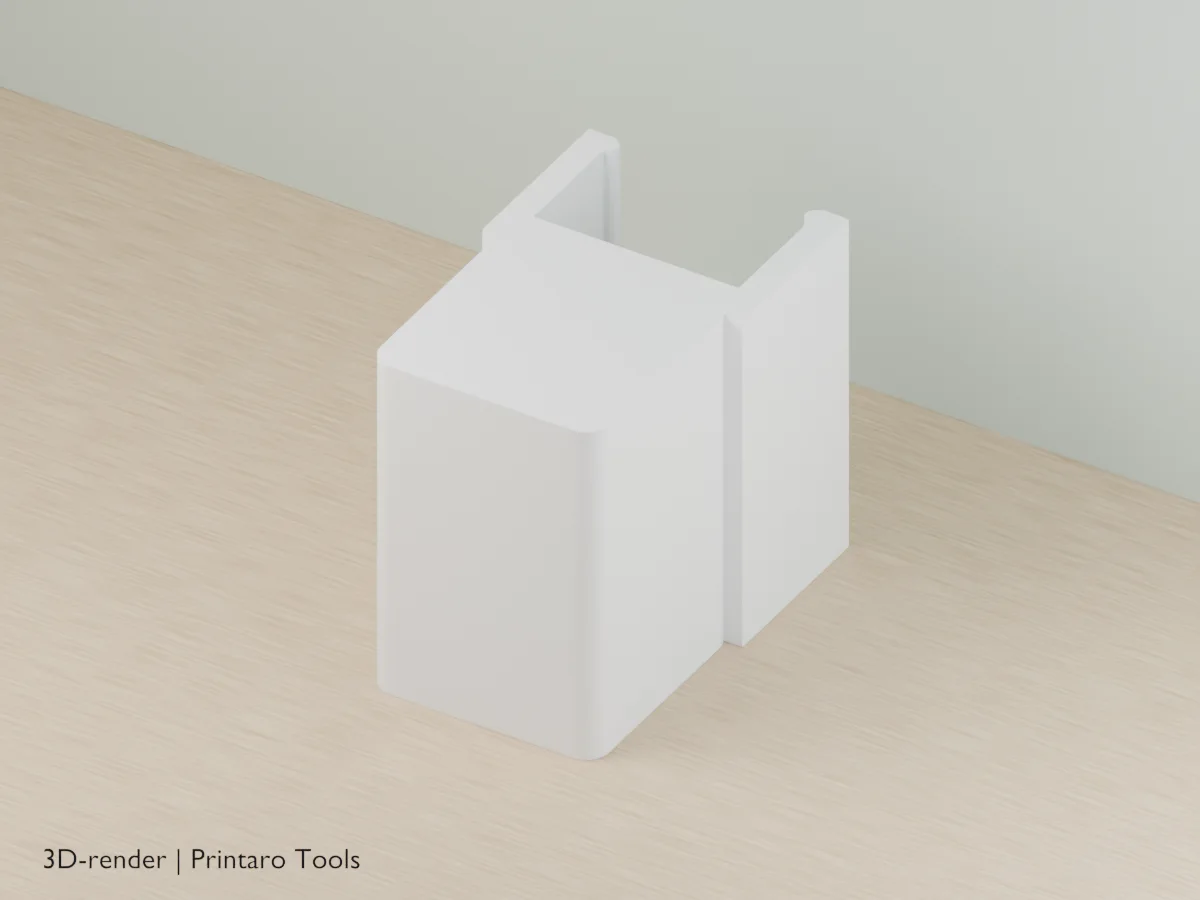
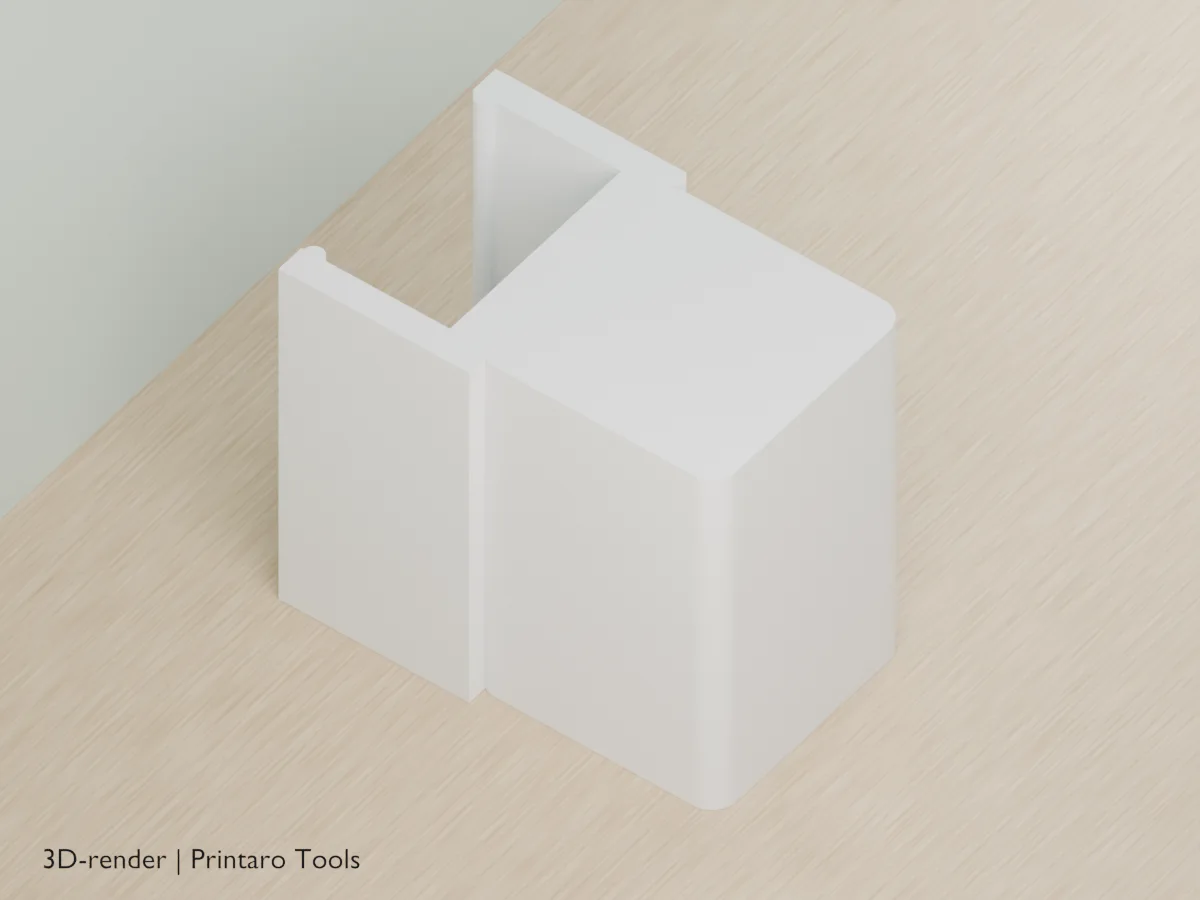
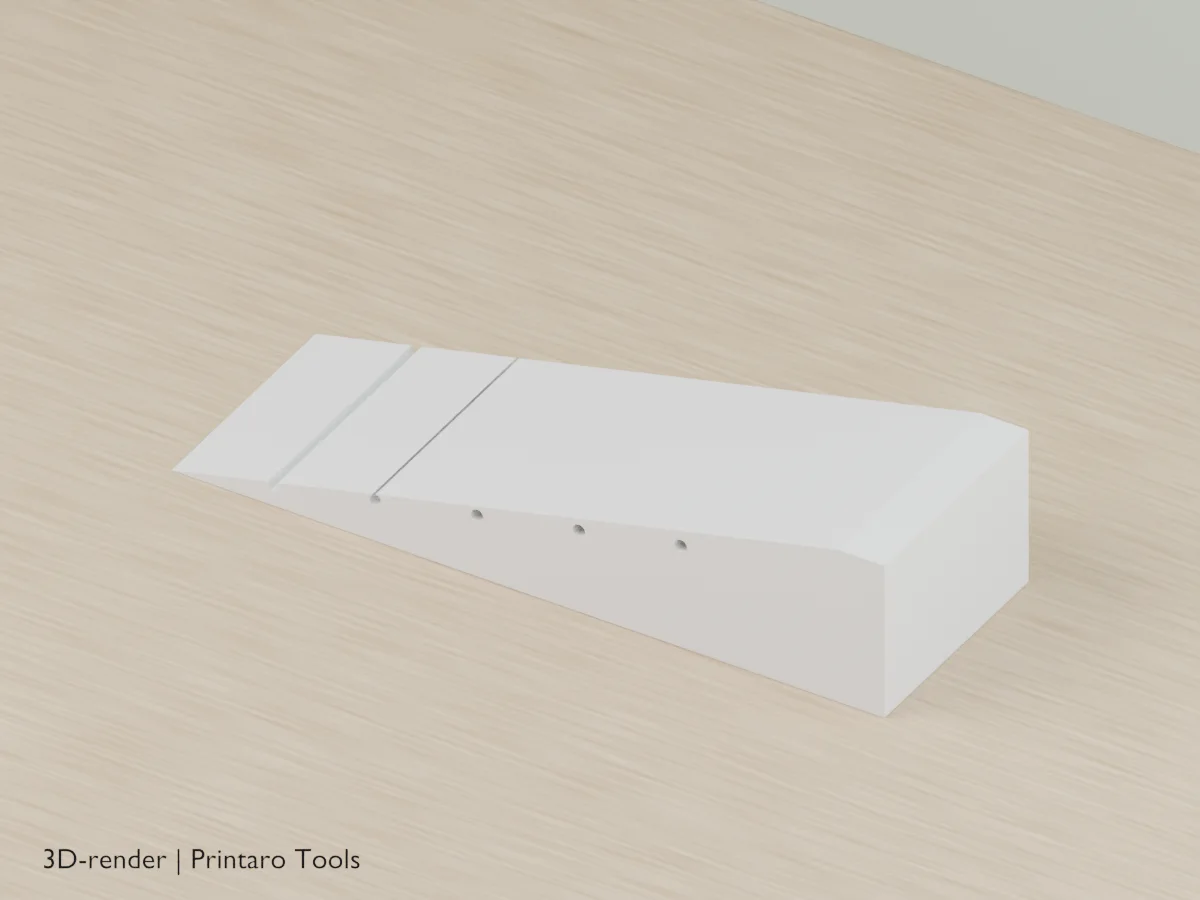
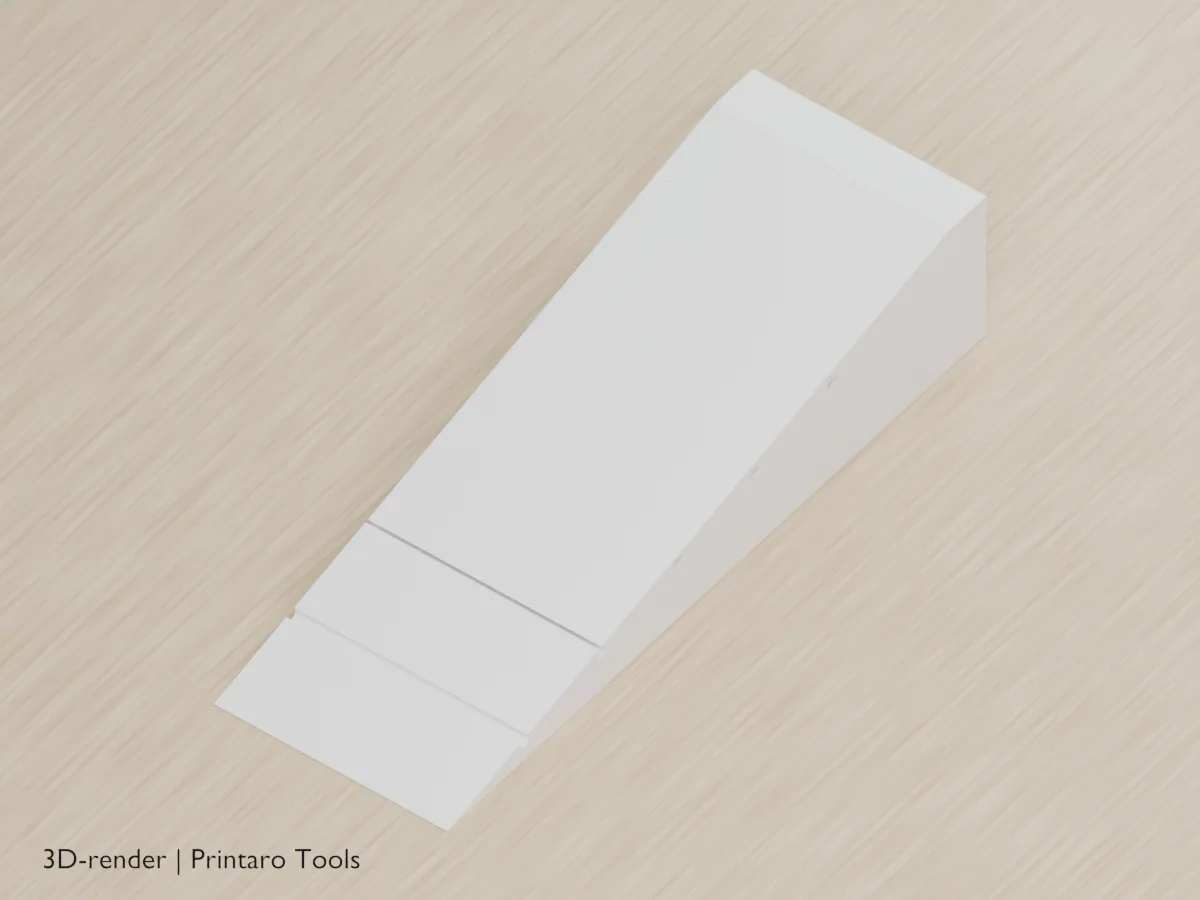
Examples made with this generator. These are 3D renders, not photos of prints.
No printer?
Printaro can print this design for you. Copy the link to your design and paste it in your message, so we know exactly which settings you chose.
Want your own printer? See which Bambu Lab printer to buy.
Keep the tools free
Found this useful?
These generators are free to use. If one saved you time, a small Ko-fi donation helps pay for hosting, rendering and new tools.
About this generator
A spacer that clips onto a window frame or sash and keeps the window open by exactly the gap you set, or a simple wedge.
How to use
- Measure the thickness of the frame edge.
- Set how far the window should stay open.
- Print on its side and clip it on.
Clip or wedge
- Clip: the arms slide onto the edge of the frame or sash, so it stays on. Frame thickness is the exact opening, with small bumps that pinch. If it is too tight or too loose, change it by half a millimeter.
- Wedge: the Opening is the thick end. A wedge that is steep compared to its length slips more easily, so use Wedge length to keep it flat.
Where the gap is measured
The Opening is the gap at the place where the stop sits. A hinged window opens further on the handle side, so a stop placed near the hinge gives a wider gap at the handle than you set. Measure once with the window held open at the gap you want, at the spot where the stop will sit.
Limits
Height is the print height, because it prints on its side. PETG flexes better for the clip arms. Wind can load a stop heavily, so close the window in a storm. It doesn't lock anything or keep anyone out.
Printing tips
- PETG flexes better for the clip than PLA.
- Not a security device: a determined push will move it.
Helpful guides
Frequently asked questions
Clip or wedge?
The clip snaps onto the edge of the frame or sash and stays there. The wedge is quicker to use, but loose.
Does it keep burglars out?
No. It's not a security device: a determined push will move it.